Glock Switch Safety: The Real Facts
You’ve installed a Glock auto sear and now your pistol cycles faster than you ever thought possible. That initial thrill is immediately followed by a critical question: how do you control this thing? The factory safety mechanisms weren’t designed for full-auto fire. Understanding and managing switch safety isn’t just a recommendation; it’s the absolute foundation of responsible ownership and operation.
Understanding the Glock’s Factory Safety System
The standard Glock pistol employs a “Safe Action” system with three independent safeties: the trigger safety, the firing pin safety, and the drop safety. Crucially, none of these are manual, external switches you flip on and off. They disengage sequentially as you pull the trigger. When you introduce an auto sear—like the popular G17 or G19 models—you bypass the standard trigger bar function. This means the primary control for safe and fire becomes the selector switch itself. The internal safeties still help prevent accidental discharge from a drop, but they do nothing to control a runaway gun if the switch is in the fire position and the trigger is manipulated. Your first line of defense is treating that selector switch with the same respect as a loaded chamber.

Selector Switch Function and Failures
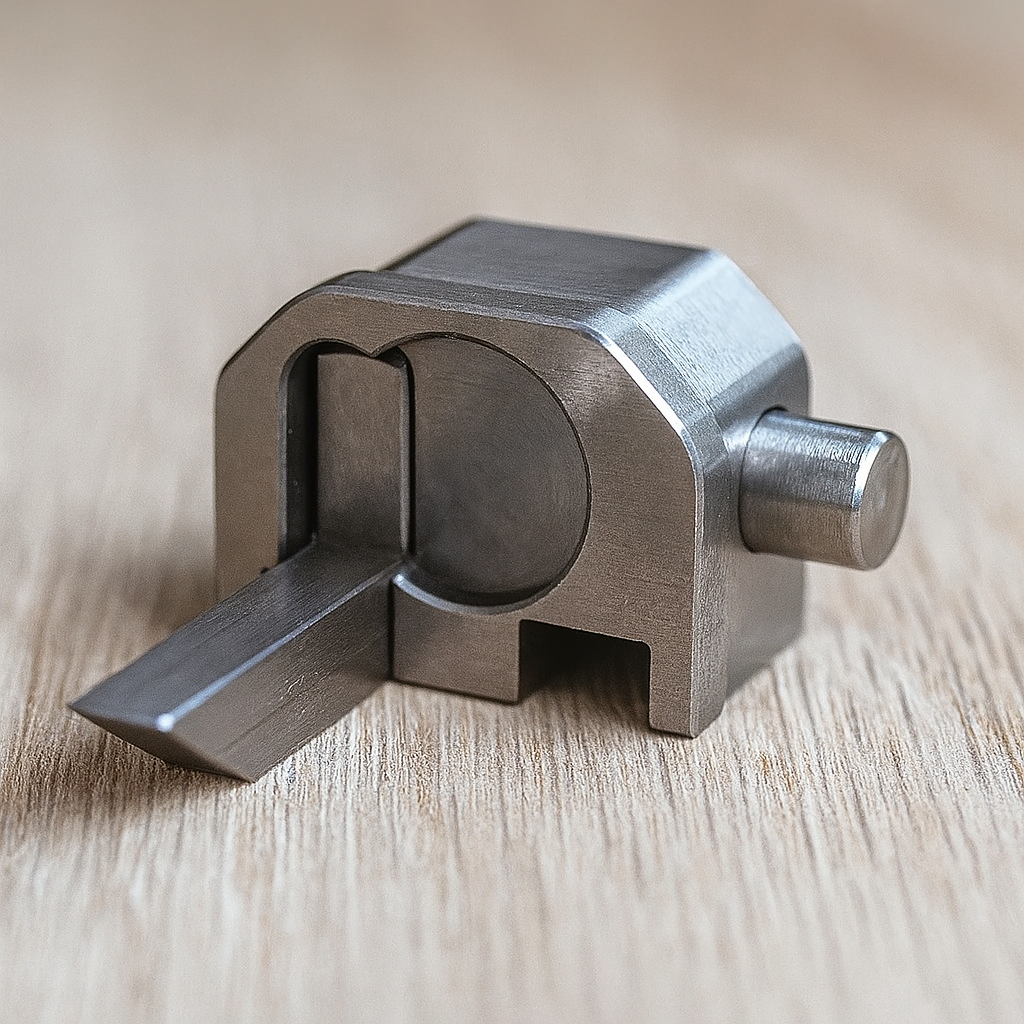
A quality selector switch, such as the ones we test at GlockAutoSwitches, provides a positive, tactile click between safe, semi, and auto positions. The mechanism is simple: it physically blocks or allows the auto sear to engage. The most common safety-related failure isn’t a catastrophic break; it’s wear or poor machining leading to a mushy or ambiguous selector position. If you can’t definitively feel and see whether you’re on “safe,” you have a major problem. Another failure point is the switch detent spring losing tension, allowing the selector to drift or be easily bumped. We’ve seen cheap, poorly-milled switches where the safe position doesn’t fully block the sear, resulting in a “burst” or full-auto fire when only semi was intended. This is why component quality from a trusted source like GlockAutoSwitches is non-negotiable for safety.
Safe Handling and Storage Protocols
Your handling protocol must adapt. Rule one: the selector stays on “SAFE” until you are on target and ready to fire. This is more critical than with a semi-auto because a single, unintended trigger press in auto can empty a magazine in under two seconds. When storing the firearm, it must be cleared, the switch confirmed to be on safe, and stored separately from any loaded magazines. I recommend using a case with a dedicated slot that physically protects the switch from being accidentally moved. During cleaning or maintenance, remove the switch and auto sear entirely before doing any work on the frame or slide. This eliminates any chance of the mechanism engaging during reassembly. Treat the firearm as if it is always ready to go full auto, because with the sear installed, it functionally is.

Precision matters. Browse our collection of machined selector switches built for positive engagement and reliability.
Legal Implications of a Malfunction
Safety has a legal dimension. If a malfunction due to a faulty part or poor handling causes an accidental discharge, you are 100% liable. In the eyes of the law, “the switch failed” is not a defense; it’s an admission that you installed an unregulated component that you failed to maintain properly. A negligent discharge in a populated area with a machine gun carries severe federal and state penalties far beyond those for a semi-auto. Your diligence in sourcing reliable parts, like those from GlockAutoSwitches, and following strict protocols is your primary legal defense. Documentation of your safety practices and where you sourced your components can be critical. Remember, you converted the firearm; ultimate responsibility for its control rests with you.
FAQ: Glock Switch Safety
Does a Glock have a safety switch?
Standard production Glock pistols do not have a manual safety switch. They use an internal “Safe Action” system with three passive safeties. When an auto sear and selector switch are installed, that external selector becomes the primary manual safety, controlling whether the firearm can fire in semi-automatic or full-automatic modes.
How does a Glock auto sear safety work?
The safety on a Glock auto sear assembly is typically a rotary selector switch. In the “safe” position, it physically blocks the auto sear from engaging, preventing the hammer from following the slide forward. When rotated to “semi” or “auto,” it allows the sear to function, with the position determining the firing mode. Its mechanical integrity is paramount.
Can a Glock switch fail on safe?
Yes, a poorly manufactured or worn selector switch can fail. The most dangerous failure is when the switch indicates “safe” but does not fully block the auto sear, potentially causing an unexpected burst or full-auto discharge. This is why using a high-quality, precisely machined switch from a reputable supplier is critical for safe operation.
Is it safe to carry a Glock with a switch installed?
No, it is not safe or recommended to carry a Glock with an installed auto sear for any defensive or daily carry purpose. The mechanism is designed for controlled, recreational use on a range. For carry, revert the firearm to its original, factory semi-automatic configuration with all internal safeties functioning as intended.
Browse our glock switches collection
Last updated: April 18, 2026