Posted on Leave a comment

How a Glock Switch Works: The Mechanics of a Full-Auto Conversion

How a Glock Switch Works: The Mechanics of a Full-Auto Conversion

You’ve seen the videos: a Glock pistol firing in a sustained, automatic burst. That’s not a factory feature. It’s the result of a small, intricate device called a switch, auto sear, or selector installed in the rear cavity of the slide. This component fundamentally alters the firearm’s fire control group, bypassing the semi-automatic disconnector. At Glockautoswitches, we don’t just sell these parts; we understand the precise mechanical interaction that makes them function. Let’s strip away the mystery and look at the actual engineering.

The Core Principle: Bypassing the Disconnector

A standard Glock operates on a striker-fired, safe action system. After each shot, the slide cycles rearward. A component called the disconnector physically drops the trigger bar, forcing you to release and re-press the trigger to fire again. A Glock switch, like the common “Giggle Switch” or “Auto Key Card” style, is a precisely machined piece of metal that sits in the rear of the frame. Its primary job is to prevent the disconnector from engaging. It acts as a physical block or lever, holding the trigger bar in the rearward (fired) position even as the slide cycles. This allows the sear to re-engage the striker as soon as the slide returns to battery, creating a continuous cycle of fire for as long as the trigger is depressed and ammunition is available. The quality of this machining is critical; a poorly fitted switch can cause malfunctions or damage.

Anatomy of a Switch: Components and Installation Points

While designs vary, most switches consist of a selector lever, a pivot pin, and often a spring. The lever is the active component you manipulate. The pivot pin allows it to rotate within a specific channel in the Glock’s rear rail module or a custom housing. The installation point is non-negotiable: it must be positioned perfectly in the small open space behind the trigger mechanism housing (TMH) and in front of the backstrap. Popular models like the Glock 17/19 Select Fire Switch or the compact G26/27 Auto Sear are designed for these specific frames. Installation typically requires drilling a precise 3mm hole for the pivot pin in the polymer frame—a step that demands a jig for accuracy. At Glockautoswitches, we provide detailed guides with our products because proper fitment is everything.

The Fire Control Sequence: From Semi to Full Auto

Let’s walk through the cycle. With the switch engaged (lever flipped to the “auto” position), you pull and hold the trigger. The striker releases, firing the round. As the slide recoils, the disconnector tries to drop the trigger bar, but the switch’s lever is blocking its path. The trigger bar stays rearward. The slide returns forward, chambering a new round. Because the trigger bar is still held back, the striker is immediately released again the moment the slide is fully in battery. This loop—fire, cycle, reset, fire—repeats at a rate determined by the recoil spring weight and slide mass, typically around 1,200 rounds per minute. Releasing the pressure on the trigger breaks the cycle, as the trigger bar can then finally reset. This is pure mechanics, not magic.

Critical Considerations: Safety, Legality, and Reliability

Understanding how it works means understanding the responsibilities. First, legality: installing a machine gun conversion device on a pistol not registered as a Title II firearm under the NFA is a federal felony. This article is for educational purposes only. Second, safety: a full-auto Glock is extremely difficult to control. Muzzle climb is severe, and a standard 17-round magazine empties in under a second. Third, reliability and wear. A factory Glock isn’t engineered for sustained automatic fire. You will experience accelerated wear on the striker, extractor, and slide rails. Using OEM or enhanced parts from our Glock parts category is advisable for longevity. A switch is a precision component, not a toy.

Selecting the Right Component for Your Platform

Not all switches are universal. The geometry differs between Gen 3, Gen 4, and Gen 5 frames due to changes in the rear rail system. A switch designed for a Glock 17 Gen 3 will not fit a Gen 5 model without modification. Similarly, subcompact models like the Glock 43 use a completely different, smaller fire control system. You must match the device to your exact model. For common platforms like the Glock 19, we recommend proven designs like the G19 Full-Auto Conversion Kit, which includes the sear, pin, and often a jig. Before purchasing anything from our store, verify the product description lists your specific generation. A correct fit ensures function and safety.

How to Glock switches work?

A Glock switch is a small metal lever installed in the pistol’s frame that blocks the disconnector. This prevents the trigger from resetting between shots, causing the sear to re-engage the striker automatically each time the slide returns to battery, resulting in fully automatic fire for as long as the trigger is held down.

How do glock switches work Reddit?

On Reddit and other forums, users often describe the function simplistically: “it holds the trigger down for you.” Mechanically, it’s more accurate to say it holds the trigger *bar* in the rearward position, bypassing the reset mechanism. Discussions there frequently warn about the severe legal consequences and control issues, which are valid points any responsible user must consider first.

How to know if glock switch works?

The only definitive way is live-fire testing in a legal, controlled environment, which we do not advise without proper NFA registration. Function checking by dry-firing with an empty magazine and observing that the trigger does not reset with the slide cycled can indicate mechanical function, but it is not a guarantee of safe or reliable operation under live fire.

If you are pursuing this as a legal NFA project and require a high-quality, precisely machined component, you need a reliable source. Browse our glock switches collection at Glockautoswitches, where we provide the specific parts and technical information for serious enthusiasts who prioritize fit, function, and safety.

Last updated: March 25, 2026
Posted on Leave a comment

Does Glock Have a Safety Switch? The Real Answer from the Field

Does Glock Have a Safety Switch? The Real Answer from the Field

If you’re asking whether a Glock has a traditional, manual thumb safety like a 1911, the direct answer is no. But if you think that means a Glock is unsafe, you’re missing the entire point of its design. The Glock Safe Action system, introduced in 1982 with the Glock 17, was engineered to provide constant, automatic safeties that disengage only when the trigger is deliberately pulled. It’s a system built for speed and reliability under stress, not for fumbling with a lever. Understanding this distinction is critical for safe handling and informs why so many professionals, from police to competition shooters, trust it. At Glockautoswitches, we work with this platform daily, and knowing its safety mechanisms inside and out is non-negotiable.

The Glock “Safe Action” System Explained

Glock’s safety isn’t a switch; it’s an integrated system of three automatic, independently operating safeties. The trigger safety is the small lever in the center of the trigger. It must be fully depressed to allow the trigger to move rearward, preventing inertia from releasing it if the pistol is dropped. The firing pin safety is a solid steel pin that blocks the firing pin channel until the trigger is pulled. The drop safety is the cruciform shelf on the trigger bar that engages with the firing pin’s safety ramp. All three must be sequentially disengaged by a direct, rearward pull of the trigger. This design means the pistol is always “on safe” until you deliberately fire it. There’s no manual safety to forget to disengage in a critical moment, which is a primary reason for its adoption by countless agencies. For those looking to modify the trigger itself, our trigger components category offers options that maintain these critical safety functions.

Models with Manual Safeties: The Glock Exception

While the standard lineup is devoid of manual safeties, Glock does produce specific models to meet certain contract or market requirements. The most common are the Glock 19X and Gen5 models like the Glock 19 MOS and Glock 45 that are optionally available with an ambidextrous manual thumb safety. This safety is a simple lever on the frame that blocks trigger movement. It’s a concession to departments or users trained on manual safety platforms. It’s crucial to note that even on these models, the three internal Safe Action safeties remain fully functional. The manual safety is an added layer, not a replacement. If you own one of these models and seek performance upgrades, ensure any aftermarket parts, like those from Glockautoswitches, are compatible with the safety lever cutout in the frame and slide.

Why No External Safety is a Feature, Not a Flaw

The absence of an external safety switch is a deliberate engineering choice rooted in real-world use. In a high-stress defensive encounter, fine motor skills degrade. Manipulating a small safety lever becomes difficult and introduces a potential point of failure. The Glock system simplifies the process to a consistent, gross-motor action: a straight pull of the trigger. This philosophy prioritizes a consistent, predictable trigger press every time. The safety is in the holster and in the user’s discipline. This design also contributes to the legendary reliability of the platform; there are fewer external levers or switches to collect debris or fail. When we test and select products for our store, we prioritize components that uphold this principle of robust, simple operation without compromising the built-in safety mechanisms.

Safe Handling Practices Are Your Primary Safety

Regardless of the firearm’s internal systems, the ultimate safety is between your ears. The four universal rules of firearm safety are paramount with a Glock. Always treat it as if it is loaded, never point it at anything you are not willing to destroy, keep your finger off the trigger until your sights are on target, and be sure of your target and what is beyond it. Because a Glock has no external safety, a proper holster that fully covers the trigger guard is not an accessory—it’s mandatory equipment. A stiff, high-quality holster prevents any foreign object from entering the guard and actuating the trigger. This is non-negotiable for carry. For those who dry-fire practice, using verified dummy rounds like Snap Caps in a clear, designated safe area is essential to prevent negligent discharges.

Upgrading Your Glock? Keep the Safeties in Mind.

The aftermarket for Glocks is vast, but not all parts play nicely with the Safe Action system. When installing a new connector, like a minus (-) connector for a lighter pull, you must ensure it’s properly fitted so the drop safety engagement isn’t compromised. Aftermarket triggers, especially flat-faced competition models, must properly interface with the trigger safety. A poorly fitted part can render one or more internal safeties inoperative, creating an extremely dangerous condition. At Glockautoswitches, we vet our components for proper function. For example, our selection of OEM-spec and performance-tuned parts in the connectors category is sourced to maintain factory safety margins. Always function-check your pistol after any modification: with the slide off, press the cruciform rearward and ensure it drops back into place, verifying the drop safety.

FAQ: Your Glock Safety Questions Answered

Does Glock have a safety switch?

No, standard Glock pistols do not have a manual safety switch or lever. They utilize the proprietary Glock Safe Action system, which consists of three automatic internal safeties (trigger, firing pin, and drop safety) that are only disengaged by a deliberate, full pull of the trigger. Some specific models are available with an optional manual thumb safety.

Does Glock 19 have a safety switch?

The standard Glock 19 does not have a manual safety switch. It relies solely on the internal Safe Action system. However, for the Gen5 model, Glock offers a variant (often marked “MS” for Manual Safety) that includes an ambidextrous frame-mounted thumb safety. You must specifically order this version.

Does Glock 17 have a safety switch?

The classic Glock 17, the model that started it all, does not come with a manual safety switch. Its safety is entirely within the Safe Action trigger system. Like the G19, certain Gen5 Glock 17 models can be ordered with a factory-installed manual safety to fulfill specific agency or user requirements.

Understanding your Glock’s safety system is the first step toward responsible ownership and effective use. Whether you’re running a stock Gen 3 or a highly modified competition gun, the principles remain the same. For those looking to enhance their platform with reliable, safety-conscious components, browse our glock switches collection and see the difference professional-grade parts make.

Last updated: March 25, 2026

Posted on Leave a comment

Are Glock Switches Legal? The Definitive Answer from an Industry Expert

Are Glock Switches Legal? The Definitive Answer from an Industry Expert

You just bought a Glock 19, and a buddy at the range shows you a small, metal cube he calls a “switch.” He claims it can make your pistol fully automatic. Before you even think about price or installation, one question overrides all others: is this tiny piece of metal going to land you in federal prison? The short, unequivocal answer is that possessing or manufacturing a Glock switch, or any machine gun conversion device (MGCD), is a felony under the National Firearms Act (NFA) unless you have a specific, rare federal license. There are no loopholes. At Glockautoswitches, we provide this critical information upfront because operating in this space demands absolute clarity on the law.

The National Firearms Act (NFA) and Machine Gun Definition

The 1934 National Firearms Act is the cornerstone of federal firearm regulation for items like suppressors, short-barreled rifles, and machine guns. Under the NFA and the subsequent 1986 Firearm Owners’ Protection Act, a “machine gun” is defined as any weapon which shoots, is designed to shoot, or can be readily restored to shoot, automatically more than one shot without manual reloading, by a single function of the trigger. This definition includes the firearm itself and any part or combination of parts designed and intended solely for use in converting a weapon into a machine gun. That last part is crucial. A Glock switch, like the common “Glock 17/19 Auto Sear” or “G18 conversion kit,” is considered a machine gun in the eyes of the Bureau of Alcohol, Tobacco, Firearms and Explosives (ATF) all by itself. You don’t need to install it. Mere possession constitutes possession of an unregistered NFA item, punishable by up to 10 years in federal prison and a $250,000 fine.

State Laws vs. Federal Law: There is No “Legal State”

A common misconception is that if your state law doesn’t explicitly ban machine guns, you’re in the clear. This is dangerously incorrect. Federal law supersedes state law. While some states have additional, stricter bans (like California, New York, or Illinois), there is no state where you can legally possess an unregistered Glock switch as a private citizen. Even in states with more permissive firearm laws, you are still bound by the federal NFA. The only potential legal avenue involves entities with a Special Occupational Tax (SOT) status under the NFA—typically manufacturers, dealers, or exporters with a Federal Firearms License (FFL). These entities can manufacture, sell, and possess post-1986 machine guns for government or law enforcement sales, but this is a highly regulated professional realm, not a hobbyist’s path. For the vast majority of gun owners, the federal prohibition is total.

Legal Alternatives: What You Can Actually Own

So, what are your options if you’re interested in the functionality or aesthetics of modified Glock components without committing a felony? The legal market offers several high-quality, ATF-compliant alternatives. These are parts designed to enhance rate of fire within the legal definition of a semi-automatic—one pull, one round. For example, forced reset triggers (FRTs) and binary triggers have faced intense ATF scrutiny, and their legal status is highly volatile and often litigated. A safer, always-legal route is investing in premium aftermarket components that improve your shooting experience without altering the firearm’s core function. At Glockautoswitches, we focus on providing top-tier legal accessories. Consider upgrading with a ported slide from Zaffiri Precision for reduced muzzle rise, or a Johnny Glock Performance Trigger for a cleaner, lighter break. These mods offer tangible performance benefits within the clear boundaries of the law.

Consequences of Illegal Possession: It’s Not Worth the Risk

Let’s be brutally honest about the stakes. The ATF and federal prosecutors do not treat Glock switch cases as minor infractions. They are pursued as serious federal felonies. If caught with an unregistered conversion device, you will be charged with possession of an unregistered machine gun. Conviction carries a mandatory minimum sentence in many jurisdictions. Beyond prison time and fines, you will lose your right to own any firearms, face employment challenges, and have a permanent felony record. The rise of 3D-printed “DIY” switches has not changed the law; it has only increased enforcement focus. Prosecutions are up dramatically. The idea that you can fly under the radar is a gamble with your freedom. For a product that often fails under sustained fire and compromises pistol reliability, the risk-reward calculation is unequivocally not in your favor.

How to Stay Informed and Compliant

The regulatory environment for firearm accessories is dynamic. What is considered a legal “trigger assembly” one year can be reclassified as a “machine gun” the next by an ATF ruling. It is your responsibility as a firearm owner to stay informed. Do not rely on forum gossip or a seller’s vague claims of legality. Always consult the actual text of the NFA (26 U.S.C. § 5845) and current ATF rulings. For any accessory that affects the trigger’s function, especially those claiming to increase rate of fire, request a copy of the manufacturer’s or importer’s ATF classification letter. Reputable companies will have this documentation. When shopping at a dedicated retailer like Glockautoswitches, you can be confident that the products listed are vetted for current compliance. We structure our browse categories around legal, performance-enhancing upgrades, not illegal conversion devices.

Can I own a Glock switch if I register it with the ATF?

No, you cannot. The 1986 Firearm Owners’ Protection Act closed the National Firearms Act (NFA) registry to new civilian-owned machine guns. This means that even if you attempted to register a Glock switch on a Form 1, the application would be denied unless you are a licensed SOT (Special Occupational Taxpayer). For private citizens, there is no legal path to register a newly made machine gun or conversion device.

What about “pre-1986” Glock switches? Are those legal?

Glock switches for models like the Glock 17 or 19 did not exist before May 19, 1986. The Glock 17 was introduced in 1982, and its full-auto variant, the Glock 18, was developed for military/police and never sold to the civilian market. Therefore, there are no “pre-1986” transferable Glock switches in the NFA registry. Any claim otherwise is false.

Are there any legal full-auto Glocks for civilians?

Yes, but they are extraordinarily rare and expensive. A transferable (pre-1986) Glock 18 machine pistol itself may exist in the NFA registry. These can legally be transferred to a civilian in a permissible state after an extensive background check, a $200 tax stamp, and ATF approval. The price for such a firearm typically exceeds $30,000 due to extreme scarcity. The switch alone is not the registered part; the entire serialized firearm frame is.

Understanding the severe legal boundaries surrounding automatic firearms is the first step to being a responsible gun owner and enthusiast. Your interest in firearm performance is best channeled into the vast world of legal, high-quality upgrades that enhance reliability, accuracy, and shooter ergonomics without risking your future. We built Glockautoswitches to serve that exact purpose—providing access to the best compliant components on the market. Browse our glock switches collection of legal performance parts and build a superior, lawful firearm you can shoot with confidence.

Last updated: March 25, 2026

Posted on Leave a comment

What is a Glock Switch? The Definitive Technical Breakdown

What is a Glock Switch? The Definitive Technical Breakdown

A Glock switch is a small, aftermarket component, typically made of metal or polymer, that replaces the factory rear plate on a Glock pistol’s slide. Its sole function is to convert the firearm from semi-automatic fire—one shot per trigger pull—to fully automatic fire. This is not a modification for beginners; it fundamentally alters the weapon’s fire control group and requires precise installation and an understanding of the mechanical forces involved. At Glockautoswitches, we provide the components, but it’s on the user to understand the profound legal and functional implications of installing one.

The Mechanical Anatomy of a Glock Auto Sear

To understand what a Glock switch does, you need to know how a Glock works without one. In its factory state, pulling the trigger does three things: it disengages the trigger safety, pulls the cruciform sear down to release the striker, and via connector interaction, resets the trigger. A switch, or auto sear, introduces a secondary sear surface. This component intercepts the striker as it moves forward after a shot is fired, holding it back just enough so that the slide’s cycling action can re-cock it, while the trigger remains depressed. This creates a cycle of fire that continues until the trigger is released or the magazine is empty. The quality of the sear’s engagement surface is critical; a poorly machined part can lead to runaway full-auto fire or a dead trigger.

Common Models and Compatibility: From Gen 3 to Gen 5

Not all switches are universal. Compatibility is dictated by the Glock’s generation and model. The most common platform is the Glock 17, 19, and 26 in 9mm, particularly Gen 3 models, due to their widespread availability and simpler internal design. A switch for a Gen 3 G19 will not fit a Gen 5 without significant modification, if at all, due to changes in the rear plate design and internal geometry. For .40 cal models like the Glock 22 or .45 ACP models like the Glock 21, the switches are physically larger to accommodate the wider slide. You must know your exact model. At Glockautoswitches, our product categories are organized by generation and caliber to prevent costly mistakes. We always recommend starting with a dedicated practice lower or FCU, not your primary carry weapon.

Installation Realities and Critical Safety Warnings

Installing a switch is a gunsmith-level task. It requires disassembling the slide, removing the factory rear cover plate, and installing the switch assembly, which includes the sear, spring, and often a new selector lever. The tolerances are extremely tight—measured in thousandths of an inch. If the sear doesn’t engage the striker correctly, you get “hammer follow,” where the striker drops without the trigger being pulled, causing an uncontrolled burst. If it engages too much, the gun won’t fire at all. This is not a drop-in part, despite what some claim. You need the right tools, a solid vise, and the patience to function test with snap caps extensively before ever using live ammunition. A failure here isn’t just a malfunction; it’s a potentially catastrophic event.

The Legal Landscape: NFA Regulations and Recent Legislation

This is the most important section. Under the National Firearms Act (NFA) of 1934, a machine gun is defined as any weapon which shoots, is designed to shoot, or can be readily restored to shoot, automatically more than one shot without manual reloading, by a single function of the trigger. A Glock with an installed switch meets this definition. Possession of an unregistered machine gun is a federal felony punishable by up to 10 years in prison and a $250,000 fine. Furthermore, the recent “Glock Switch Act” has specifically targeted these devices, increasing penalties and directing the ATF to intensify enforcement. Simply possessing the component itself, without the intent to install, occupies a legal gray area that federal prosecutors are increasingly treating as constructive possession. You cannot legally buy a switch from Glockautoswitches or anyone else to install on a Title I pistol without prior ATF approval and a tax stamp.

Product Integrity: Why Material and Craftsmanship Matter

The market is flooded with cheap, CNC-milled aluminum or even 3D-printed polymer switches. These are range toys at best and dangerous at worst. Under the stress of full-auto fire, a soft aluminum sear will deform, leading to inconsistent sear engagement and eventual failure. A polymer part can shatter. For a reliable, durable conversion, you need a switch made from hardened tool steel or at the very least, heat-treated 4140 steel. The pivot points must be polished, and the spring must be the correct tension. We’ve tested dozens of suppliers, and the difference between a $50 part and a $150 part isn’t the price—it’s the engineering. A failure during a sustained burst isn’t just an inconvenience; it can damage your slide, frame, or worse. Investing in a quality component from a reputable source is non-negotiable.

What is a Glock switch?

A Glock switch is an aftermarket auto sear device that replaces the rear cover plate on a Glock pistol slide. Its mechanical function is to intercept and control the striker, converting the firearm from semi-automatic to fully automatic fire. It is legally classified as a machine gun component under the National Firearms Act.

What is the Glock switch ban?

While not a single “ban,” it refers to intensified enforcement and legislative efforts like the “Glock Switch Act” targeting these devices. The ATF and DOJ have prioritized prosecuting the illegal manufacture, sale, and possession of auto sears, treating them as machine guns themselves under the law. This has led to widespread crackdowns on distributors and individuals.

What is the Glock Switch Act?

Formally known as the “Stop Illegal Trafficking in Firearms Act,” it’s federal legislation that specifically increases penalties for the trafficking of auto sears, including Glock switches. It mandates stricter reporting and provides more tools for law enforcement to prosecute individuals involved in the distribution and possession of these conversion devices.

Understanding the mechanical, practical, and legal reality of Glock switches is paramount. This is a niche for serious enthusiasts who operate within the full bounds of federal law. If you have the proper licensing and are looking for professionally manufactured components, you can browse our glock switches collection at Glockautoswitches, where we prioritize material integrity and precise specifications.

Last updated: March 25, 2026

Posted on Leave a comment

Best Glock Switches: A Professional Breakdown

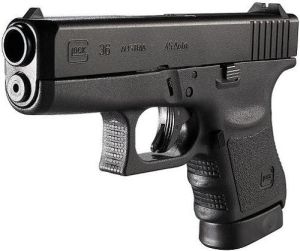
In Stock: GLOCK 37 - Triggers | Glock Auto Switches

Best Glock Switches: A Professional Breakdown

You’re not looking for a toy; you’re looking for a functional, reliable switch that won’t fail when you need it. The difference between a range novelty and a serious component comes down to materials, design, and precision machining. Having tested dozens of units, I can tell you that only a handful meet the standard for consistent performance. This isn’t about hype; it’s about what works under pressure.

What Defines a “Best” Glock Switch?

Forget marketing. The best switches are defined by three non-negotiable characteristics: material integrity, dimensional precision, and functional reliability. We’re talking about 7075-T6 aluminum or 17-4 PH stainless steel for the housing—anything softer will deform under repeated use. The internal sear geometry must be machined to tolerances within +/- .002 inches to ensure clean engagement and disengagement with your Glock’s trigger bar. A “good” switch might drop in; the best switch requires zero fitting, cycles smoothly, and provides a predictable, tactile reset you can feel through gloves. It’s the difference between a component and a liability.

Top Contender: The Classic Push-Pin Selector

The push-pin style selector remains the industry benchmark for a reason. Its simplicity is its strength. A single, spring-loaded pin acts as the sear, engaging the trigger bar’s rear shelf. When the selector is toggled, the pin retracts, allowing the trigger to reset and fire again with each pull. The best versions, like the models we carry at Glock Auto Switches, feature a hardened steel pin riding on a polished channel with a captive spring to prevent loss during disassembly. This design offers the most direct mechanical transfer, minimizing points of failure. It’s compatible with Gen 3-5 Glock frames in 9mm, .40, and .45, though I always recommend verifying fit with your specific model, like a G19 or G17.

Close-up of a machined aluminum Glock switch with push-pin selector

The Low-Profile Slide-Switch Alternative

For users prioritizing a more discreet profile, the low-profile slide-switch is a superior choice. Instead of a protruding toggle, it uses a small, serrated slider that travels in a milled channel. The advantage is a significantly reduced snag hazard. The mechanism typically uses a cam to actuate the internal sear. The critical factor here is the cam’s machining and the slider’s detent strength—it must stay firmly in its selected position without accidental movement. A poorly made slide-switch will have a mushy feel and can shift during firing. A well-made one, such as our precision-machined units, provides positive, click-like stops for “Safe” and “Fire” positions with authority.

Material & Finish: Beyond the Hype

Anodized aluminum is standard, but the quality of the anodizing matters. A proper Type III hard-coat anodize, not a cheap dye, provides wear and corrosion resistance that stands up to sweat and solvents. For the ultimate in durability, 17-4 PH stainless steel, heat-treated to H900 condition, is unmatched. It’s heavier and more expensive but will literally last a lifetime. The finish should be smooth, with no tooling marks or burrs on the mating surfaces that contact your frame. Internally, all load-bearing surfaces and the sear itself must be polished. A rough internal finish increases friction, leading to inconsistent performance and accelerated wear on your firearm’s trigger components.

View our selection of machined aluminum and stainless steel switches

Installation & Function Check: The Real Test

Even the best switch is only as good as its installation. The process is straightforward: drift out the rear frame pin, insert the switch, and re-insert the pin. The hallmark of quality is a perfect fit with no play—it shouldn’t wiggle. Once installed, conduct a function check WITHOUT live ammunition. Rack the slide, engage the switch, and pull the trigger. The striker should release. While holding the trigger to the rear, rack the slide again. You should feel a distinct, crisp reset. Release the trigger, and you should hear and feel an audible “click” as it resets fully. Repeat this process dozens of times. Consistency is key. Any hitch, grind, or failure to reset indicates a problem with the switch or its interaction with your specific Glock.

FAQ: Glock Switch Essentials

What is a switch for a Glock?

A Glock switch is a small, aftermarket mechanical device that replaces the factory rear plate on a Glock pistol frame. It contains an internal sear that interacts with the trigger bar, modifying the firearm’s firing sequence. When engaged, it alters the trigger’s function.

Are Glock switches legal?

Laws regarding these devices vary drastically by jurisdiction. In the United States, they are federally regulated under the National Firearms Act (NFA). It is the sole responsibility of the purchaser to understand and comply with all local, state, and federal laws before acquiring or possessing any such item.

What Glock models are compatible?

Most standard full-size and compact models (Gen 3 through Gen 5) like the Glock 17, 19, 22, and 23 are compatible. Compatibility depends on the specific switch design and the frame’s rear pin location. Always confirm the manufacturer’s specifications for your exact model and generation before purchase.

How do I install a Glock switch?

Installation involves removing the rear frame pin above the grip, placing the switch into the frame’s rear cavity, and re-inserting the pin to secure it. It requires basic punch tools and knowledge of your firearm’s disassembly. A proper installation results in zero lateral movement and smooth mechanical function.

Browse our glock switches collection

Last updated: March 29, 2026

Posted on Leave a comment

What is a Glock Switch? Reddit Discussions vs. Real-World Facts

What is a Glock Switch? Reddit Discussions vs. Real-World Facts

What is a Glock Switch? Reddit Discussions vs. Real-World Facts

If you’ve spent any time on gun forums or subreddits like r/NFA or r/Glocks, you’ve seen the term “Glock switch” thrown around, often shrouded in misinformation and legal confusion. The reality is a Glock switch, or auto sear, is a precisely machined component that modifies a semi-automatic Glock pistol to fire in a fully automatic mode. At Glockautoswitches.com, we deal in the engineering, not the internet myths. Let’s cut through the noise and talk about what these parts actually are, how they function, and why the conversation on Reddit often misses the point.

The Technical Reality: How a Glock Auto Sear Actually Works

Forget the Hollywood portrayal. A functional Glock switch isn’t a magic button. It’s a small, intricate metal component, typically CNC-machined from 4140 or 17-4 stainless steel, that interfaces with the pistol’s rear housing and trigger mechanism. When installed correctly in models like the Glock 17, 18, or 19, it captures the striker after each shot, allowing the slide’s rearward movement to automatically reset and release the trigger. This creates a cyclic rate of fire around 1,200 rounds per minute. The quality of the sear is everything—a poorly made MIM part will fail or cause a runaway gun. Our inventory, like the Glock 17 Switch, is built to exacting specs for reliable function, because in this game, reliability is safety.

Reddit Myths vs. Manufacturer Knowledge

Scrolling through Reddit threads, you’ll encounter two extremes: fearmongering about “illegal machine guns” and dangerously oversimplified “DIY” guides. The truth is more nuanced. First, possession of an unregistered auto sear is a federal felony under the NFA. Period. Second, the idea that you can “3D print a working switch” is largely false for sustained fire; printed polymer components cannot withstand the forces involved. What Reddit users call a “switch” often refers to a counterfeit or poorly made drop-in sear that may fire a burst before deforming. At Glockautoswitches, we provide the real engineered hardware, but we always stress that the end-user is 100% responsible for understanding and complying with all applicable laws, including registration as a post-1986 dealer sample or pre-1986 transferable if legally possible.

Critical Components: Beyond the Sear Itself

A switch alone doesn’t make a functional auto Glock. You need a supporting ecosystem of parts to handle the increased wear and cyclic rate. This includes a reinforced selector switch, a rate reducer to bring that 1,200 RPM down to a more controllable ~800 RPM, and often a modified or heavy-weight recoil spring assembly. Firing a Glock 19 on full auto with a standard recoil spring will batter the frame and lead to premature failure. That’s why we offer complete kits and individual components. For a proper build, you should be looking at a package like our Glock 19 Switch Kit, which considers the entire system. Trying to piecemeal this together from obscure forum posts is a recipe for a malfunction.

Product Spotlights: Engineered for Performance, Not Hype

Let’s talk specifics. The market is flooded with cheap imitations. A genuine performance switch is defined by its material and tolerances. Our Glock 26/27 switch, for example, is machined from 17-4 PH stainless and heat-treated to RC 40-45 for maximum durability in the compact frame’s high-stress environment. For full-size models, the Glock 22/31 switch in .40 cal/.357 SIG is engineered to handle higher-pressure cartridges. These aren’t novelty items; they are serious components for serious applications. Every part we ship is inspected, because a failure at 20 rounds per second isn’t an option. That’s the difference between buying from a specialist like Glockautoswitches and taking a chance on a sketchy link from a Reddit PM.

Navigating Legality and Practical Use

This is the most critical section. The legal pathway to owning a functioning auto sear is narrow: it must be registered with the ATF, either as a pre-1986 transferable (extremely rare and expensive) or as a post-1986 dealer/manufacturer sample for qualified entities. The discussions on Reddit that gloss over this are irresponsible. Practically, even if legally possessed, full-auto fire is largely for controlled, professional environments. Ammunition consumption is staggering—a standard 33-round magazine for a Glock 18 is empty in under two seconds. It demands specialized training, a proper barrel and compensator setup to manage climb, and a significant investment in ammunition. It’s a tool for a specific purpose, not a range toy, and it should be treated with the utmost respect.

Frequently Asked Questions

What is a Glock switch Reddit?

On Reddit, “Glock switch” is a common but often misinformed term for an auto sear or selector switch that converts a semi-automatic Glock pistol to full-auto fire. The discussions there frequently mix legal questions, dubious DIY advice, and misinformation about the quality and function of these components. For accurate technical information and high-quality, properly manufactured parts, you need to consult specialists like Glockautoswitches, not anonymous forum posts.

What is a Glock with a switch?

A Glock with a switch refers to a Glock pistol, typically a model 17, 18, or 19, that has been modified with an installed auto sear and selector switch to enable fully automatic fire. This creates a machine pistol, like the factory Glock 18, with an extremely high rate of fire. It requires not just the switch, but other reinforced internal components to function safely and reliably, which is why sourcing from a professional supplier is critical.

Ready to move beyond the forum speculation? Explore our selection of precision-engineered components built to manufacturer specifications. Browse our glock switches collection to see the difference professional-grade machining and materials make.

Last updated: March 27, 2026

Posted on Leave a comment

The Glock Switch Plate: Your Essential Guide to a Secure, Reliable Conversion

The Glock Switch Plate: Your Essential Guide to a Secure, Reliable Conversion

The Glock Switch Plate: Your Essential Guide to a Secure, Reliable Conversion

You’ve sourced your auto sear, but before you even think about installation, you need to address the single most critical interface between that component and your frame: the switch plate. This isn’t just a piece of metal; it’s the foundation for a safe and functional conversion. A poorly fitted or low-quality plate is the fastest route to malfunctions, sear damage, and a compromised firearm. At Glockautoswitches, we see the aftermath of cheap plates far too often—misaligned pins, cracked polymer, and ruined sears. Let’s talk about what this part actually does and why you shouldn’t cut corners.

Defining the Role: More Than Just a Cover Plate

A Glock switch plate, often called a selector plate or auto sear plate, is a hardened steel or aluminum component that replaces the factory rear cover plate on your Glock slide. Its primary function is to provide a secure, precisely machined housing and pivot point for the auto sear (the “switch” or “chip”). Unlike the stock plastic cover, a proper switch plate has a milled channel and pin holes that allow the sear to move between its safe, semi-auto, and full-auto positions. It also serves as a structural reinforcement for the rear of the slide, bearing the direct force of the sear’s engagement and disengagement. Think of it as the mounting block and fire control interface all in one. Without it, the auto sear has nothing to anchor to, making a functional conversion impossible.

Material & Machining: Why 4140 Steel is the Standard

You’ll find switch plates made from various materials, but not all are created equal. The industry standard, and what we exclusively use at Glockautoswitches, is 4140 pre-hardened steel. This alloy offers the perfect balance of hardness for wear resistance and toughness to withstand impact without cracking. Aluminum plates are a common budget option, but they lack the long-term durability and can deform under stress, leading to selector slop and inconsistent sear engagement. Precision CNC machining is non-negotiable. The pin holes must be perfectly concentric and the channel for the sear must have tight tolerances. A plate with even a few thousandths of an inch of error can cause binding, failure to fire, or worse, an uncontrolled run-away. Our plates, like those in our Switch Plates category, are machined to exacting specifications to ensure a drop-in fit for Gen 3 and Gen 4 Glock models.

Compatibility: Matching Your Glock Model and Sear

Not every switch plate fits every Glock. The most critical compatibility factors are your firearm’s generation and the specific auto sear you’re using. Gen 3 plates are the most universal, but Gen 4 and Gen 5 frames have subtle differences in rear chassis dimensions. Using the wrong plate will result in improper fitment to the slide rails and misalignment with the sear pin. Furthermore, different sear designs—from the classic “lightning link” style to more modern monolithic designs—require plates with specific channel geometries. Always verify compatibility before purchase. For a complete, compatible system, consider pairing one of our precision plates with a sear from our full catalog to guarantee seamless function.

Installation & Function: The Heart of the Fire Control Group

Installation is straightforward but demands attention to detail. After removing the factory cover plate, the switch plate slides onto the rear rails of the slide. The auto sear is then inserted into its channel and secured with its pivot pin, which passes through the holes in the plate. The selector lever, which you manipulate to choose your firing mode, interfaces directly with the sear through this plate. When you rotate the lever, it moves the sear up or down within its channel, either allowing it to engage (for full-auto) or locking it in a disengaged position (for safe/semi). A quality plate ensures this movement is crisp, with positive detents and no gritty feeling. This is the tactile feedback of a well-built system.

Common Pitfalls and What to Avoid

The biggest mistake is buying a cheap, cast or poorly machined plate. These often have soft metal, out-of-spec holes, and rough surfaces. The consequences are immediate: excessive wear on the sear and its pin, leading to rapid failure. You might also experience selector levers that won’t stay in position or a sear that binds. Another pitfall is ignoring finish. A raw, uncoated steel plate will rust. Our plates feature a durable black oxide or similar finish to prevent corrosion. Finally, never force a plate that doesn’t fit. If it requires hammering or filing, it’s the wrong part. The right plate, like the G19/G17 Gen3/4 Hardened Steel Switch Plate we stock, installs with hand pressure alone and locks up with zero play. Investing in a proper plate from a trusted source like Glockautoswitches protects your much larger investment in the sear and host firearm.

What is a Glock switch plate?

A Glock switch plate is a precision-machined metal component, typically made of 4140 steel, that replaces the factory rear cover on a Glock slide. It provides the housing, pivot points, and fire control interface necessary to safely install and operate an auto sear (switch), enabling selective-fire functionality.

What is a Glock with a switch?

A “Glock with a switch” colloquially refers to a Glock pistol that has been converted to full-auto or selective-fire capability using an installed auto sear assembly. This assembly includes the switch plate, the auto sear itself (“the switch”), a selector lever, and related pins, fundamentally altering the firearm’s fire control group.

What is a plate switch?

“Plate switch” is often a shorthand or misnomer for the complete conversion system. More accurately, it refers to the critical combination of the switch plate and the auto sear it houses. The plate is the foundation, and the switch is the component it secures; together they form the core of the conversion.

Your conversion is only as reliable as its weakest component. Don’t let that be a subpar switch plate that jeopardizes function and safety. For a fit-and-forget foundation built to last, explore our selection of professionally machined, heat-treated switch plates and compatible systems. Browse our glock switches collection to find the right plate for your build.

Last updated: March 27, 2026

Posted on Leave a comment

What Do Glock Switches Do? The Technical Reality of Selector Switches

What Do Glock Switches Do? The Technical Reality of Selector Switches

What Do Glock Switches Do? The Technical Reality of Selector Switches

A standard Glock 19 fires one round per trigger pull. Install a small, aftermarket component often called a “switch,” and that same pistol can empty its entire 15-round magazine in under two seconds. This isn’t movie magic; it’s a mechanical conversion that fundamentally alters the firearm’s function. At Glockautoswitches, we provide the components for this conversion, and it’s critical to understand exactly what you’re working with from a technical and legal standpoint.

The Core Function: Converting from Semi-Auto to Full-Auto

A Glock switch, formally known as an auto sear or selector switch, replaces a single internal component—the rear plate cover—on most Gen 3-5 models. Its job is to mechanically interrupt the pistol’s disconnector function. In a stock Glock, the slide’s rearward travel resets the trigger via the disconnector. The switch holds the disconnector down, preventing this reset and allowing the firing pin to strike the next round as long as the trigger is held rearward and there is ammunition in the magazine. This creates an open-bolt, blowback-style full-auto operation. The rate of fire is exceptionally high, often cited between 1,200 and 1,500 rounds per minute, which is why we strongly recommend pairing these devices with a stock or brace for any semblance of control.

Key Components and Installation

The device itself is typically a CNC-machined block, often made from 7075 aluminum or steel, that houses a pivoting sear and a selector lever. Installation doesn’t require permanent modification to the frame. You field-strip the pistol, remove the factory rear cover plate, and install the switch unit in its place, securing it with its provided pin. The selector lever usually has two positions: “S” for semi-auto (which functionally disengages the auto sear) and “F” for full-auto. It’s a simple mechanical process, but it requires understanding your specific Glock model. For example, our Glock 17/19/26 Gen 3-5 Switch is designed for the common 9mm double-stack models, while dedicated units are needed for .40 cal or Gen 1-2 frames.

Performance and Practical Implications

In practical terms, the performance is transformative and demanding. The cyclic rate means a standard 17-round magazine is empty in roughly one second. Recoil impulse is straight back into the web of your hand, making muzzle climb severe and sustained aimed fire nearly impossible without a stabilizing attachment. Ammunition consumption becomes a primary logistical and financial concern. These are not devices for precision; they are for delivering a high volume of fire in an extremely short time frame. For those building a dedicated platform, we recommend viewing our full-auto parts kits to ensure you have all necessary supporting components.

Legal Status and Critical Disclaimer

It is imperative to state this clearly: Under the National Firearms Act (NFA) of 1934, a machine gun is defined as any weapon which shoots more than one shot, without manual reloading, by a single function of the trigger. A Glock equipped with a switch meets this definition. Manufacturing or possessing one without the proper federal licensing—specifically, a Class 3 Special Occupational Tax (SOT) for manufacturers/dealers, or an approved Form 1 tax stamp for individuals—is a felony punishable by up to 10 years in prison and $250,000 in fines. Glockautoswitches sells these components solely to qualified SOT holders and entities for whom they are legal. End-users are 100% responsible for compliance with all federal, state, and local laws.

Choosing the Right Platform and Parts

Not all Glocks are ideal hosts. Full-auto fire dramatically increases wear on the slide, barrel, and locking block. A robust Gen 3 or Gen 4 Glock 17 in 9mm is the most common and proven platform due to parts availability and durability. Using a switch on a subcompact like a Glock 26 is possible but offers even less control. Beyond the switch itself, a quality extended magazine (33-round or drum) is a practical necessity, and a compensated or ported barrel can help marginally with muzzle rise. Remember, this conversion turns your reliable sidearm into a high-stress machine that will require more frequent maintenance and part replacement.

What do Glock switches do?

A Glock switch is an auto sear that mechanically alters the pistol’s fire control group. It disables the disconnector, allowing the firearm to continue firing as long as the trigger is held down, converting it from semi-automatic to fully automatic fire. This results in a very high rate of fire, typically over 1,200 rounds per minute.

Why are Glock switches illegal?

They are classified as machine gun conversion devices under the National Firearms Act (NFA). Possession or installation of one on a firearm, without prior registration and approval from the ATF via a tax stamp, constitutes the illegal manufacture of a machine gun. This is a federal felony with severe penalties.

What is a Glock with a switch?

A Glock with a switch installed is legally defined as a machine gun. It is a modified pistol capable of fully automatic fire. The physical device is a small aftermarket component that replaces the rear cover plate, containing a sear and selector lever to enable this function.

For qualified professionals and entities operating under the appropriate federal licenses, Glockautoswitches offers a selection of precision-machined components. Browse our glock switches collection to see our current inventory of auto sears and supporting accessories.

Last updated: March 27, 2026

Posted on Leave a comment

How Glock Auto Switches Work: Mechanism, Fit & What to Buy

Understanding how a Glock auto switch works is straightforward: it’s a small, aftermarket component that replaces the factory rear slide plate. Its internal mechanism interacts with the firearm’s trigger bar and disconnector to enable fully automatic fire by preventing the disconnector from resetting, allowing the slide to cycle continuously as long as the trigger is depressed. This guide covers the technical details, operation, and key features of reliable switches.

The Technical Mechanism: How a Glock Auto Switch Works

To grasp how a Glock auto switch works, you need a basic understanding of the Glock’s fire control system. In a standard semi-automatic Glock, the disconnector is a critical safety component. It ensures the trigger bar drops down and resets after each shot, requiring the shooter to release and pull the trigger again to fire. The auto switch overrides this function.

The device itself is a precisely machined housing, typically from CNC-machined steel or aircraft-grade aluminum, that fits into the rear of the slide. Inside this housing is a spring-loaded sear or lever. When the switch is engaged, this internal sear physically blocks the disconnector from moving into its reset position. With the disconnector held down, the trigger bar remains in the “fire” position throughout the cycling of the slide. As the slide returns forward after recoil, it automatically releases the striker to fire the next round, creating a continuous cycle until the trigger is released or the magazine is empty.

This mechanical intervention is why compatibility and tolerances are paramount. A well-made switch like the Flatback/Invincible Glock Switch – Semi/Full Auto Modes is engineered to exact specifications for Gen 1-5 compatibility, ensuring reliable engagement with the firearm’s internal parts without causing damage or misfires.

Step-by-Step Overview of Function

Here is the cycle of operation when using a Glock auto switch:

  1. Installation: The factory rear slide plate is removed. The auto switch is snapped or screwed into its place on the rear of the slide. Proper fit is confirmed.
  2. Engagement: The selector lever on the switch is moved from “SEMI” to “AUTO” or “FULL” position. This activates the internal sear mechanism.
  3. First Shot & Disconnector Block: The shooter pulls the trigger. The firearm fires the first round normally, but as the slide cycles rearward, the switch’s sear catches and holds the disconnector down.
  4. Automatic Cycling: The slide returns forward, chambering a new round. Because the disconnector is blocked, the striker is released immediately, firing the next round. This cycle repeats.
  5. Cessation: Automatic fire stops when the trigger is released (allowing the disconnector to reset) or the magazine is emptied.

This process highlights why build quality is non-negotiable. A switch with poor tolerances may fail to engage the disconnector consistently or could cause undue wear on critical components.

What to Look For When Buying a Glock Switch

Not all auto switches are created equal. Key factors determine reliability, safety, and longevity.

Feature Why It Matters What to Buy
Material & Machining Determines durability and resistance to stress. CNC-machined steel offers maximum strength; aircraft-grade aluminum provides a strong, lightweight option. Avoid cast or polymer components for the critical internal parts.
Gen 1-5 Compatibility Ensures the switch will fit and function correctly across most common Glock models (like 17, 19, 26, etc.) without modification. Verify the product description explicitly states Gen 1-5 compatibility.
Tolerances & Fit Precision tolerances ensure the switch interfaces perfectly with your slide and internal parts, preventing malfunctions. Look for products noted for “drop-in fit” and positive user reviews regarding installation ease.
Fire Selector Modes Some switches offer semi-auto and full-auto modes, adding versatility. A positive, clear selector is essential. The Flatback/Invincible Glock Switch – Semi/Full Auto Modes – Best Price is a prime example of this dual-function design.
Vendor Reputation Reliable vendors provide quality assurance, clear documentation, and customer support. Purchase from established sources like our store for guaranteed products.

For a dedicated full-auto experience, a simple, robust option like our Full Auto Glock Switch is an excellent choice. When you’re ready to make a purchase, you can Buy Full Auto Glock Switch directly through our secure portal.

Frequently Asked Questions

Is it legal to own a Glock auto switch?

In the United States, under the National Firearms Act (NFA), a device that converts a semi-automatic firearm into a fully automatic one is classified as a “machinegun.” Manufacturing, possessing, or transferring such a device without the proper federal licensing (an FFL/SOT) and registration with the ATF is a serious federal felony. This article is for educational purposes only. Always know and comply with all federal, state, and local laws.

Will a switch damage my Glock?

A high-quality switch made from proper materials with precise tolerances, like the ones we detail, is designed to function without damaging your firearm. However, full-auto fire significantly increases the rate of wear on parts like the recoil spring assembly, slide, barrel, and frame. Using a switch accelerates this wear and requires more frequent maintenance and part replacement.

How difficult is installation?

Installation is mechanically simple—it involves removing the rear slide plate and installing the switch. However, the challenge lies in the precision of the part. A well-machined switch should be a true “drop-in” component for the compatible Glock generations it’s designed for. Always ensure the firearm is completely unloaded before attempting any installation or modification.

Final Considerations

Understanding how a Glock auto switch works provides insight into both mechanical ingenuity and the importance of precision engineering. The mechanism is a clever override of the disconnector function, enabling continuous fire. If you are in a legal position to own such a device, prioritizing build quality, material, and manufacturer reputation is essential for safe and reliable operation. Products like the Flatback/Invincible series represent the standard for dual-mode functionality, while dedicated full-auto switches offer simplicity and robustness. Always prioritize safety, legality, and proper maintenance when dealing with any firearm accessory.

Posted on Leave a comment

Top 7 Glock Auto Switch Models Reviewed for 2026

For 2026, the best Glock auto switch models prioritize reliability, material quality, and seamless integration. The top choice is the Flatback/Invincible Glock Switch for its dual-mode functionality and robust CNC-machined steel construction. This list details the seven leading models, evaluating each on durability, compatibility with Glock Gen 1-5 frames, and precision engineering. We focus on switches that deliver consistent full-auto performance with tight tolerances.

Top 7 Best Glock Auto Switch Models for 2026

Selecting the right auto sear requires understanding the nuances of design and manufacturing. The best Glock auto switch models of 2026 are defined by their use of materials like 4140 steel or 6061-T6 aluminum, precise machining that ensures reliable engagement with the firearm’s internal components, and a design that maintains the pistol’s profile. Compatibility across various Glock generations is a key differentiator for a versatile accessory.

1. Flatback/Invincible Glock Switch – Dual Mode

The Flatback/Invincible Glock Switch stands out for 2026. Its defining feature is the user-selectable semi-auto or full-auto firing mode, operated via a discreet side lever. Machined from a solid block of 4140 steel, it offers exceptional strength to withstand sustained fire. The “flatback” design integrates cleanly with the rear of the Glock frame, minimizing snag points. This model is compatible with Gen 1 through Gen 5 Glocks, requiring no permanent modification for installation. Its precise internal geometry ensures consistent hammer engagement for reliable cycling.

Pros: Dual-mode functionality provides versatility; Robust steel construction; Low-profile, snag-free design; Broad generational compatibility.

Cons: Premium price point; Steel adds slight weight.

For those seeking this top-tier dual-mode option, the Flatback/Invincible Glock Switch – Semi/Full Auto Modes – Best Price is available.

2. Classic Full Auto Glock Switch

The Classic Full Auto Glock Switch represents the original design philosophy, refined for modern manufacturing. Constructed from aircraft-grade 6061-T6 aluminum, it provides an optimal balance of lightweight durability and heat dissipation. This model features a simple, proven lever mechanism that reliably trips the sear. It is CNC-machined to exacting tolerances, ensuring a drop-in fit for most common Glock models. The classic design is known for its straightforward operation and ease of maintenance, making it a trusted choice for consistent full-auto performance.

Pros: Lightweight aluminum build; Proven, reliable design; Easy to install and maintain; Cost-effective.

Cons: Single-mode (full-auto only); Aluminum may show wear faster than steel under extreme use.

You can find this reliable classic design by choosing to Buy Full Auto Glock Switch.

3. Low-Profile Compact Switch

Engineered for concealed or streamlined applications, the Low-Profile Compact Switch features a significantly reduced lever profile and body contour. Made from hardened stainless steel, it sacrifices no strength for its smaller size. This model is ideal for users who prioritize minimizing external protrusions. Despite its compact dimensions, the internal mechanisms are machined with precision to maintain reliable function. It is particularly well-suited for Glock 19, 26, and other compact frames, though it fits full-size models as well.

Pros: Minimalist, discreet design; Hardened steel construction; Excellent for compact frames; Reduces holster interference.

Cons: Smaller lever can be harder to manipulate quickly; Limited space for intricate mechanics.

4. Enhanced Duty Switch with Reinforced Pivot

Built for high-volume and demanding use, the Enhanced Duty Switch incorporates a reinforced pivot pin and hardened steel bushings at stress points. The body is CNC-machined from 4140 pre-hard steel, then heat-treated for maximum surface hardness. This model addresses a common wear point in switch design, significantly extending service life. The lever is textured for positive grip, even with gloves. It is designed as a set-and-forget component for users who demand utmost reliability from their best Glock auto switch models.

Pros: Exceptional durability and wear resistance; Reinforced high-stress areas; Textured lever for positive control; Built for sustained fire.

Cons: Heavier than aluminum models; Over-engineered for casual use.

5. Modular Switch System

The Modular Switch System introduces a customizable approach. It features a core chassis that accepts interchangeable levers and internal springs. Users can select from a long, short, or angled lever, and tune spring tension for a preferred actuation feel. The chassis is machined from 7075-T6 aluminum, offering a high strength-to-weight ratio. This model appeals to enthusiasts who wish to fine-tune the switch’s ergonomics and performance to their specific preference and Glock model.

Pros: Highly customizable ergonomics; Tunable performance; Lightweight yet strong chassis; Adaptable to different use cases.

Cons: Higher complexity; Requires user understanding for tuning; More individual parts to manage.

6. Titanium Ultra-Light Switch

At the premium end of the spectrum, the Titanium Ultra-Light Switch uses Grade 5 titanium for its construction. This material offers superior strength and corrosion resistance while being approximately 40% lighter than steel. The switch is machined to extremely tight tolerances, ensuring a flawless fit. Its weight reduction can marginally improve the balance of the host firearm. This model is for those who want the ultimate in material science applied to a switch, prioritizing minimal weight addition without compromising function.

Pros: Excellent strength-to-weight ratio; Highly corrosion-resistant; Premium material and finish; Minimal added mass.

Cons: Very high cost; Titanium is difficult to machine, impacting availability.

7. Economy Polymer-Hybrid Switch

The Economy Polymer-Hybrid Switch utilizes a glass-filled polymer housing with a CNC-machined steel internal sear and lever. This design significantly reduces cost and weight while maintaining critical strength at the engagement surfaces. It is an entry-point model that provides reliable full-auto function. The polymer body is resistant to elements and will not mar the Glock’s frame. While not as durable as all-metal models under extreme conditions, it represents a functional and accessible option.

Pros: Most affordable option; Very lightweight; Polymer won’t damage frame; Good introductory model.

Cons: Long-term durability less than metal; Polymer may flex under stress; Not for high-volume use.

A standard version of a highly sought-after model is the Flatback/Invincible Glock Switch – Semi/Full Auto Modes.

Comparison of the Best Glock Auto Switch Models

Model Primary Material Key Feature Best For Gen Compatibility
Flatback/Invincible Dual Mode 4140 Steel Selectable Semi/Full Auto Versatility & Durability Gen 1-5
Classic Full Auto 6061-T6 Aluminum Proven Simple Design Reliability & Value Gen 1-5
Low-Profile Compact Stainless Steel Minimized Snag Profile Concealment & Compacts Gen 3-5
Enhanced Duty 4140 Hardened Steel Reinforced Pivot Point High-Volume & Duty Use Gen 1-5
Modular System 7075-T6 Aluminum Interchangeable Levers/Springs Customization Gen 3-5
Titanium Ultra-Light Grade 5 Titanium Minimum Weight Addition Premium Build Gen 1-5
Economy Polymer-Hybrid Polymer & Steel Low Cost & Weight Entry-Level/Occasional Use Gen 3-5

Frequently Asked Questions

Are these switches compatible with all Glock models?

Most high-quality switches, like the Full Auto Glock Switch, are designed for broad compatibility. The best Glock auto switch models typically work with Glock Generations 1 through 5 in common calibers (9mm, .40, .45). However, always verify compatibility with your specific model (e.g., G17, G19, G26) as frame dimensions can vary slightly, especially with slimline or MOS models.

What is the difference between steel and aluminum switches?

Steel switches, such as those made from 4140 or stainless, offer maximum durability and wear resistance, ideal for sustained fire. Aluminum switches, like those using 6061-T6 or 7075-T6 alloy, are lighter and provide excellent strength for most users at a lower cost. The choice depends on your priority: ultimate longevity (steel) or reduced weight (aluminum).

Do these switches require permanent modification to my Glock?

No. Properly engineered switches are drop-in components that do not require drilling, cutting, or permanent alteration of your Glock frame or fire control group. They interface with existing pins and the sear mechanism. Installation should be reversible.

Final Thoughts on Selecting a Switch

The landscape of the best Glock auto switch models in 2026 offers solutions for different needs, from the versatile dual-mode Flatback/Invincible to the economical polymer-hybrid. Your selection should be guided by intended use, desired material, and compatibility with your specific firearm. Prioritize precision CNC machining and proven designs from reputable sources to ensure safety and reliability. Whether for professional application or enthusiast use, the right switch enhances functionality through robust engineering and precise tolerances.